
Understanding Fragrance Families and the Notes Pyramid
From fresh citrus to deep woods and amber, fragrance families offer a map for exploring scent. Learn how they work and how notes unfold on the skin.
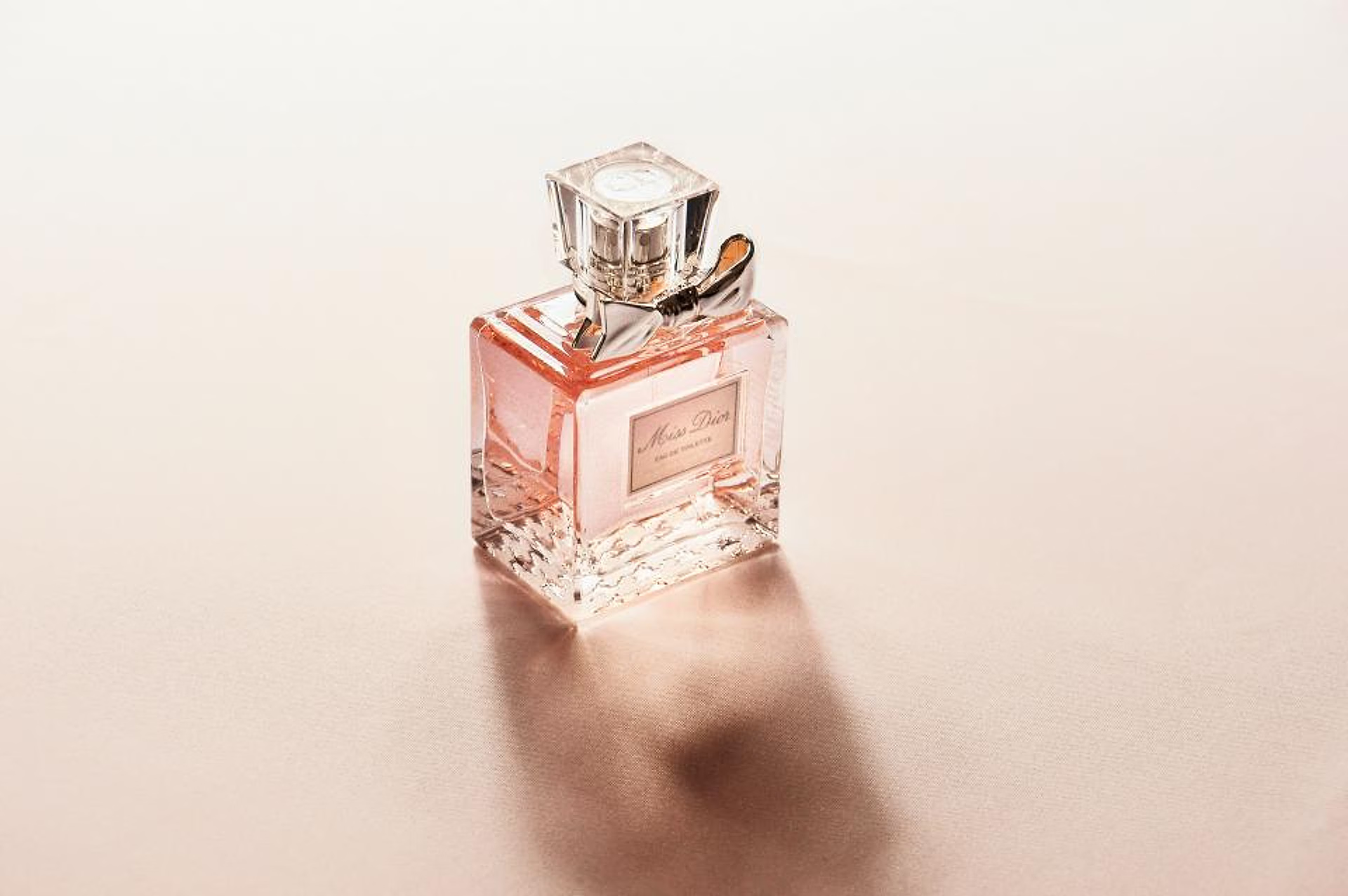
Choosing a fragrance can feel overwhelming. Descriptions are filled with poetic language, and a single counter may hold dozens of bottles that all seem to promise something different. Fortunately, perfumery has its own system of organisation. By understanding fragrance families and the classic notes pyramid, you gain a practical map that makes exploring scent far more enjoyable and far less confusing.
The main fragrance families
Perfumers and retailers use slightly different classifications, but most systems share a set of broad families. Each describes the dominant character of a fragrance:
- Fresh: citrus, green and aquatic notes that feel bright, clean and energising, such as bergamot, lemon, cut grass or sea air.
- Floral: the largest family, built around flowers like rose, jasmine, tuberose, lily of the valley or orange blossom.
- Amber, often called oriental in older classifications: warm, rich and sensual, with resins, vanilla, spices and balsams.
- Woody: earthy and elegant, featuring sandalwood, cedar, vetiver and patchouli.
Within and between these families sit important sub-groups. Chypre fragrances traditionally combine citrus top notes with a mossy, woody base. Fougère scents, built around lavender and herbal accords, are often associated with classic masculine perfumery. Gourmand fragrances draw on edible notes such as caramel, chocolate or praline. Many modern perfumes blend several families, which is why you may see descriptions like woody floral or fresh amber.
How the notes pyramid works
A fragrance does not smell the same from the moment you apply it to the end of the day. Its composition is often explained as a pyramid with three levels, reflecting how quickly different ingredients evaporate.
Top notes form the opening. They are light, volatile and noticeable at once, but they fade relatively quickly. Citrus, light herbs and some fruits are common here. Heart notes, also called middle notes, emerge as the top notes recede. They form the core personality of the fragrance and often include florals, spices and green notes. Base notes are the foundation. Rich and long-lasting, they include woods, musks, resins, vanilla and amber, and they are what lingers on skin and clothing hours later.
Some contemporary fragrances are deliberately built to feel more linear, revealing a similar character throughout. Even so, the pyramid remains a helpful way to understand why a scent changes over time.
Using this knowledge when you shop
Once you recognise your preferred families, shopping becomes more intuitive. Think about fragrances you have loved in the past, from perfumes to candles or even soaps, and notice what they have in common. If you are drawn to fresh, clean scents, explore citrus and green compositions. If you love cosy warmth, amber and woody families may suit you.
When testing, start with a blotter to narrow your options, then try your final choices on skin. Allow time for the heart and base notes to develop before deciding. Avoid testing too many scents at once, as your sense of smell tires quickly.
A fragrance reveals itself slowly; the first impression is only the opening line of the story.
Fragrance and climate
Heat and humidity amplify scent, making it project further. In tropical climates, lighter fresh, floral or soft woody fragrances often feel more comfortable during the day, while richer amber or gourmand compositions may be better suited to cooler evenings. A light hand is always wise in warm weather.
If your skin is sensitive, consider applying fragrance to clothing or hair rather than directly onto the skin, and stop using any product that causes irritation. Above all, let your own nose guide you. The best fragrance is not the most popular one, but the one that feels unmistakably like you.
Comments (0)
Sign in to comment.